
What is a property investment timeline?
TL;DR:
- A property investment timeline outlines key phases from financial preparation to long-term ownership, typically over 7 to 20 years. It emphasizes the importance of early planning, setting clear goals, building deposits, and obtaining pre-approval before purchasing. A disciplined long-term approach and regular plan review help investors maximize wealth through market cycles.
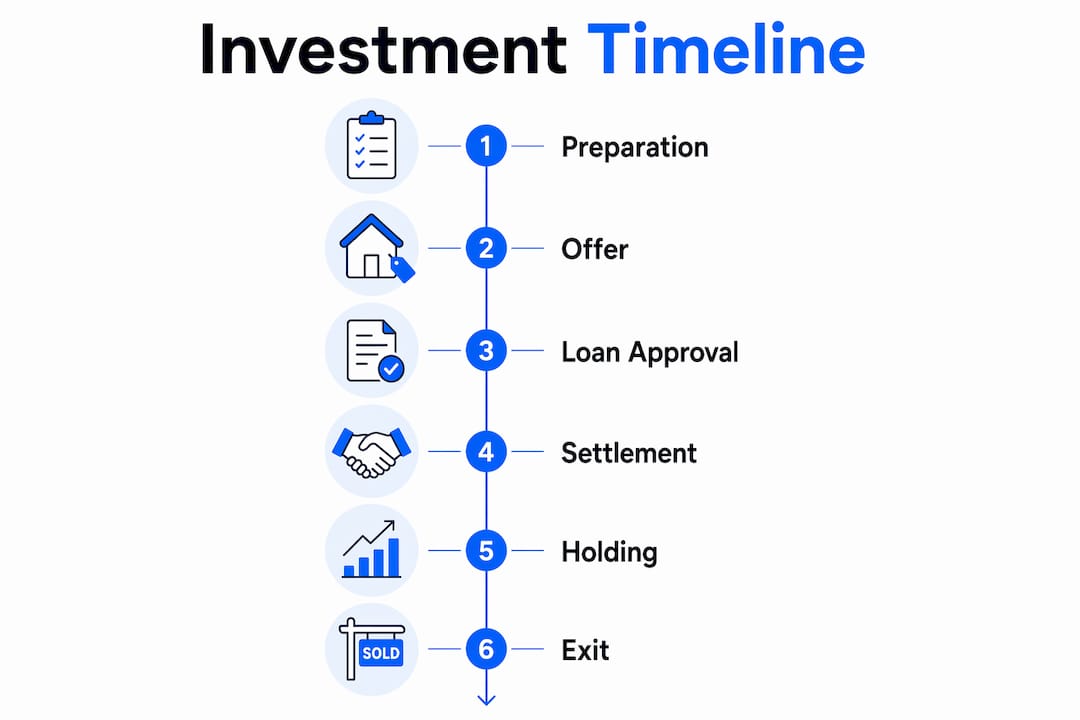
A property investment timeline is the structured sequence of key milestones and phases that guide investors from initial preparation through to long-term property ownership and wealth growth. Most successful real estate investment timelines span a minimum of 7–10 years, with many experienced investors holding for 20 years or more to capture compounding gains. The timeline covers five core phases: financial preparation, property search and due diligence, the purchase process, settlement, and ongoing holding and management. Understanding each phase sets realistic expectations and prevents the costly mistakes that derail first-time investors before they even reach the contract stage.
What is a property investment timeline and why does it matter?
A property investment timeline is the industry term for the end-to-end plan that maps every major decision point in a real estate investment, from saving a deposit to eventually exiting the asset. Without a clear timeline, investors make reactive decisions based on market noise rather than personal financial goals. The investment property timeline explained in practical terms is a planning tool, not just a calendar. It tells you where you are, what comes next, and how long each phase realistically takes.
The preparation phase alone surprises most people. Deposit accumulation averages 5.6 years nationally in Australia. That single figure reframes the entire property investment process: the timeline starts years before you ever inspect a property.
What are the preparatory steps before entering the property market?
The preparation phase is the longest and most underestimated part of the real estate investment timeline. Successful investors spend months clarifying financial goals and conducting suburb-level market research before they purchase. Skipping this phase is the single most common reason investors overpay or buy in the wrong location.
The key tasks in this phase are:
- Set clear investment goals. Decide whether you are targeting capital growth, rental yield, or both. Your goal determines the property type, location, and holding period you need.
- Assess your borrowing capacity. Calculate your usable deposit, expected stamp duty, legal fees, and a cash buffer for unexpected costs. Never assume the bank’s maximum loan is your actual budget.
- Build your deposit. With saving times averaging 5.6 years, start as early as possible. Rentvesting strategies can shorten this period by allowing you to invest while renting in your preferred location.
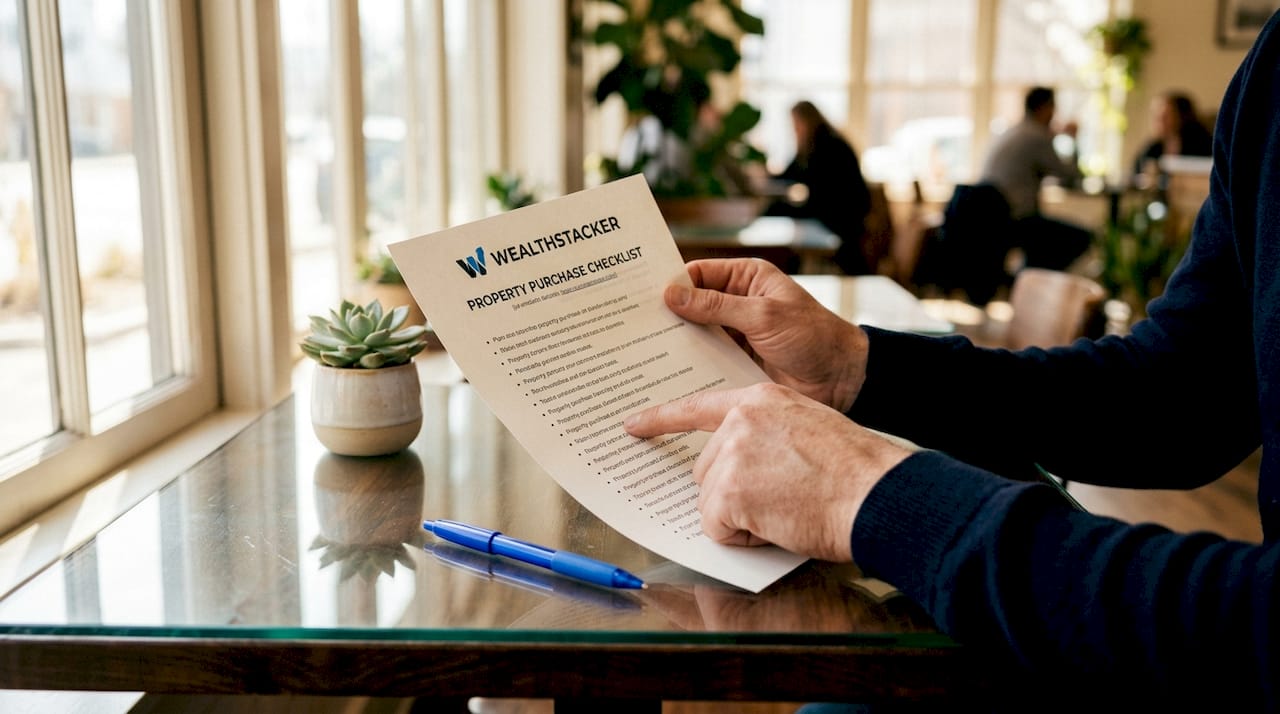
- Get loan pre-approval. Most Australian lenders issue pre-approval valid for 90 days. That 90-day window is your active search period. If you do not find a property in time, you will need to reapply.
- Conduct suburb-level research. Study vacancy rates, median price trends, infrastructure plans, and rental demand in your target suburbs before shortlisting properties.
Pro Tip: Never confuse loan pre-approval with unconditional approval. Pre-approval confirms your borrowing capacity in principle. The bank still needs to value the specific property before they commit.
The preparation phase is also where you build your professional team: a buyer’s agent, conveyancer, accountant, and mortgage broker. Assembling this team before you start searching saves weeks during the purchase phase.
How does the property purchase process unfold within the investment timeline?
The purchase phase is where the timeline accelerates and the financial stakes become real. Each step has a defined duration, and delays at any point can cost you the property or your deposit.
The offer and contract exchange stage
Making an offer is the first formal step. In a private treaty sale, you negotiate a price and sign a contract subject to finance and building inspection clauses. A deposit of typically 10% of the purchase price is paid on exchange. Cooling-off periods vary by state: in New South Wales it is five business days, in Victoria three business days, and at auction there is no cooling-off period at all.
Auction purchases require unconditional finance approval before you bid. There is no finance clause to protect you if the bank later declines the loan. This means your lender must have already valued the property and issued formal approval before auction day. Preparing a contract review in advance is critical for auction buyers.
The loan approval and valuation stage
After contract exchange in a private treaty sale, your lender orders a formal property valuation. Unconditional approval typically takes 14–21 days after the full application is submitted. This is the most stressful window in the purchase process because the outcome is not guaranteed.
Bank valuations can come in lower than the purchase price. When that happens, the lender only finances against the lower figure. You must cover the shortfall in cash or risk losing your 10% deposit. Always hold a cash buffer beyond your deposit and stamp duty for exactly this scenario.
The settlement stage
Settlement is the legal transfer of property ownership. Settlement in Australia typically takes 30–90 days after contract exchange. The standard in New South Wales is 42 days. Victoria typically settles in 30–60 days. Your conveyancer manages title searches, transfer documents, and the final funds transfer on settlement day.
| Purchase method | Finance clause | Cooling-off period | Typical settlement |
|---|---|---|---|
| Private treaty | Yes | Varies by state | 30–90 days |
| Auction | No | None | 30–90 days |
Pro Tip: Always instruct your conveyancer to review the contract before you bid at auction or sign at private treaty. Identifying special conditions early prevents costly surprises at settlement.
What is the recommended holding period and post-purchase management in the timeline?
The holding phase is where wealth is actually built. A minimum holding period of 7–10 years is recommended to ride out market cycles and realise compounding growth. The ideal horizon is 10–20 years. Investors who sell within five years frequently exit during a downturn and crystallise losses that time would have reversed.
The reasons for holding long-term are concrete, not theoretical:
- Market cycles average 7–10 years. Selling before a full cycle completes often means selling at the wrong point.
- Compounding rental income. Properties held for 15–20 years can appreciate several times in value while rental income rises alongside inflation.
- Tax efficiency. Long-term holders benefit from the 50% capital gains tax discount available to Australian investors who hold an asset for more than 12 months.
- Reduced transaction costs. Every sale and repurchase costs stamp duty, agent fees, and legal costs. Holding eliminates these friction costs.
Post-purchase management tasks run throughout the holding phase. These include tenant selection and lease management, routine maintenance and repairs, landlord insurance, annual tax depreciation schedules, and regular portfolio performance reviews. Tracking these tasks systematically prevents small issues from becoming expensive problems.
Pro Tip: Treat your investment property like a business. Set a quarterly review date to check vacancy rates, rental yield, maintenance costs, and capital growth against your original plan.
The most common pitfall in the holding phase is impatience. Investors who sell after two or three years because growth has been flat often miss the compounding gains that arrive in years five through ten. View property investment as a decades-long wealth-building strategy, not a short-term trade.
How do you plan and adapt your property investment timeline?
No two investors follow an identical real estate investment timeline. Personal income, family circumstances, market conditions, and risk tolerance all shift the phases. The key is building flexibility into your plan from the start.
Adjusting for market conditions
There is no perfect time to buy property. Financial preparedness matters far more than market timing. If property prices rise sharply during your saving period, you may need to extend your deposit-building phase or consider a different suburb or property type. If interest rates rise after purchase, your cash flow position changes and your holding strategy may need to adapt.
Regularly reviewing your investment property forecasting assumptions keeps your plan grounded in current data rather than the assumptions you made at the start.
Investor profiles and timeline adjustments
Different investor profiles require different timeline approaches:
- First-time investors typically need the longest preparation phase due to deposit-saving time and the learning curve of the purchase process.
- Equity-rich existing homeowners can move faster through preparation by using equity as a deposit, compressing the saving phase significantly.
- Rentvesting investors enter the market earlier by purchasing an investment property in an affordable area while renting where they want to live.
- Portfolio builders focus on refinancing and recycling equity to acquire additional properties, extending their timeline across multiple assets rather than a single property.
Exit strategy planning
Every property investment timeline needs a defined exit strategy. Common exits include selling at retirement to fund income, transferring assets to a self-managed super fund, or passing property to family through estate planning. Your exit strategy determines the optimal holding period and influences which property type you buy at the start. Aligning your portfolio diversification strategy with your exit goals prevents you from holding the wrong asset type for too long.
The most common mistake is focusing on short-term market timing rather than building a clear financial plan and sticking to it. Investors who succeed over 20 years do so by making sound decisions at each phase of the timeline, not by predicting market peaks.
Key takeaways
A successful property investment timeline requires disciplined preparation, realistic phase durations, and a long-term holding commitment of at least 7–10 years to generate meaningful wealth.
| Point | Details |
|---|---|
| Preparation takes years | Deposit saving averages 5.6 years in Australia; start financial planning well before searching. |
| Purchase process has fixed windows | Loan unconditional approval takes 14–21 days; settlement typically takes 30–90 days after exchange. |
| Hold for at least 7–10 years | Minimum holding periods of 7–10 years allow investors to ride market cycles and capture compounding growth. |
| Auction buyers need unconditional finance first | There is no cooling-off period at auction; formal loan approval must be in place before bidding. |
| Adapt your plan regularly | Review your timeline quarterly and adjust for changes in income, interest rates, and market conditions. |
Wealthstacker: plan and track your investment timeline
Knowing the phases of a property investment timeline is one thing. Tracking your progress through each phase with accurate data is another.
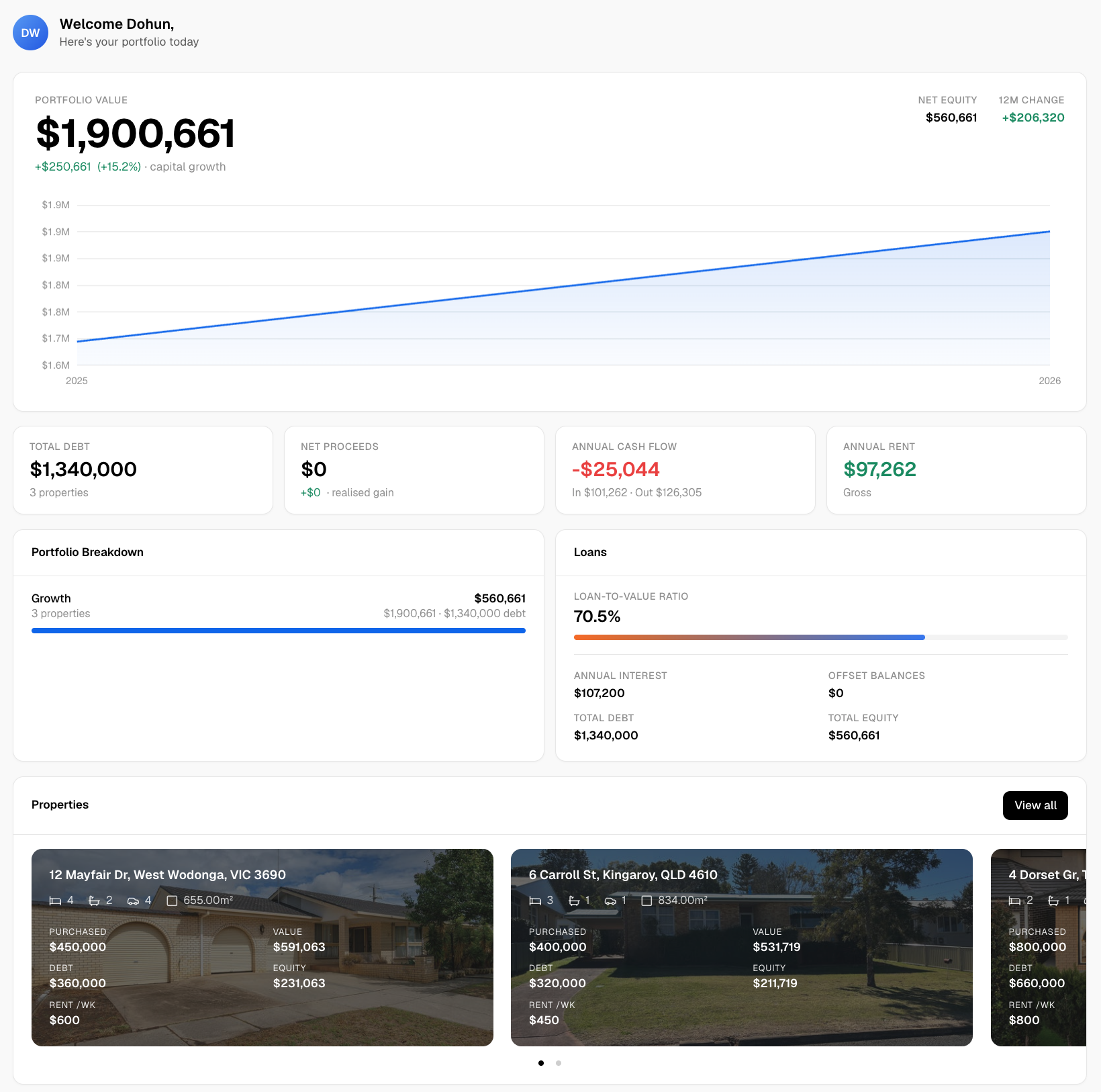
Wealthstacker is built for investors who want more than a spreadsheet. The platform provides automated quarterly property valuations at no cost, so your portfolio data stays current without manual effort. Its AI-driven modelling covers both rentvesting and direct ownership strategies, letting you compare wealth outcomes across different timeline scenarios in real time. Whether you are still in the deposit-saving phase or managing an existing portfolio, the Wealthstacker property investment app gives you a structured view of your milestones, borrowing capacity, and projected wealth accumulation over time.
FAQ
What is a property investment timeline?
A property investment timeline is the structured sequence of phases an investor moves through from financial preparation to long-term property ownership. It typically spans a minimum of 7–10 years and includes deposit saving, purchase, settlement, and ongoing management.
How long does the property purchase process take in Australia?
The purchase process from contract exchange to settlement typically takes 30–90 days, with 42 days being the standard in New South Wales. Loan unconditional approval usually takes 14–21 days after the full application is submitted.
How long should I hold an investment property?
Expert guidance recommends a minimum holding period of 7–10 years, with 10–20 years being the ideal horizon to capture compounding capital growth and rising rental income.
What is the difference between auction and private treaty timelines?
Private treaty sales include a finance clause and a cooling-off period, giving buyers time to secure unconditional loan approval after signing. Auction purchases have no cooling-off period and no finance clause, so buyers must have unconditional approval in place before bidding.
How do I start planning my property investment timeline?
Start by setting clear financial goals, calculating your borrowing capacity, and building your deposit. Get loan pre-approval for 90 days from your lender, then conduct suburb-level research before shortlisting properties. Assembling a professional team early, including a mortgage broker, conveyancer, and accountant, prevents delays at every subsequent phase.