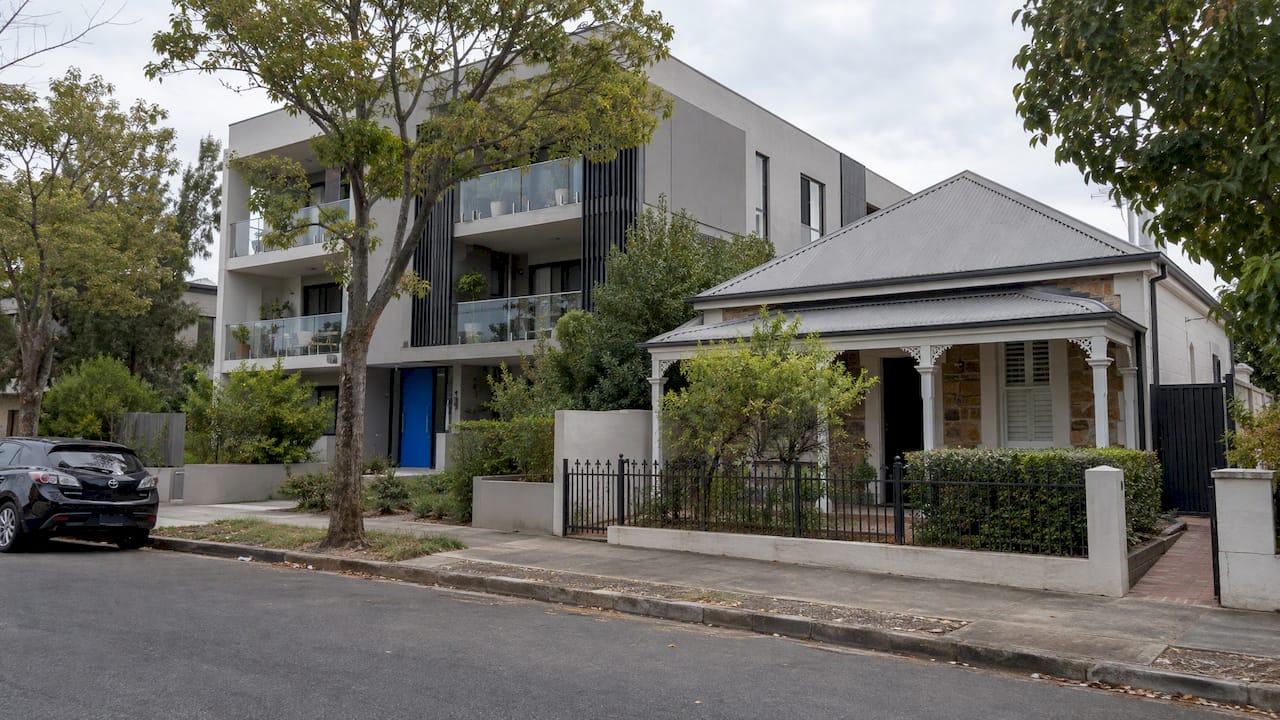
Strata vs Freehold: Which Title Suits Your Property Goals?
Freehold means you own the land and the building on it. Strata means you own a lot (your unit or townhouse) plus a share of common property, and you run the building together with your neighbours through an owners corporation (called a body corporate in Queensland). Neither is better in the abstract. Freehold gives you control, strata usually gives you a lower entry price and shared upkeep, and the right pick depends on whether the property is your home or an investment, and on what the numbers look like over 10 to 15 years. We built WealthStacker so you can run those numbers before you commit.
WealthstackerModel Your Property OptionsCompare property strategies with WealthStacker’s investment toolkit, using personalized modeling to assess potential net worth over time.VisitTL;DR
- Freehold: you own land and building, with few obligations to neighbours beyond council rates and general law. Strata: you own your lot and share common property and its costs.
- Strata properties are often cheaper than equivalent freehold titles, but you pay levies and live under by-laws.
- Low levies can hide future increases. Check the strata report, the capital works fund and the 10-year plan before you buy.
- A PPOR (principal place of residence, the home you live in) and an investment property are treated differently for loans and tax, so decide the purpose first.
- Model the full holding cost for 10 to 15 years, not only the purchase price.
Table of Contents
- What you actually own under each title
- Side-by-side comparison
- What strata costs, and how the money works
- Rules and restrictions that come with strata
- Strata or freehold for a home you live in (PPOR)
- Strata or freehold as an investment
- PPOR versus investment property: why purpose comes first
- Checklist before you buy
- Putting both options through the numbers
- FAQ
- Sources
What you actually own under each title
Freehold
Under freehold title you own the land and the buildings on it. According to the State Library of NSW’s legal guide, you have no extra legal responsibilities to neighbours apart from those you have as a ratepayer and under general laws. Landgate in WA adds that freehold owners can do many things without neighbour approval, subject to council planning rules.
That is why freehold houses suit people who want to renovate, extend or redevelop. You make the decisions and you carry all the costs.
Strata
Strata is the system for owning apartments, units and many townhouses. The Law Society of NSW describes it as private lots plus communal spaces, with every lot owner a voting member of the owners corporation. In NSW that is governed by the Strata Schemes Management Act 2015.
The NSW Government’s buying guide explains the split:
- You own: the inside of your lot, which usually includes internal walls, carpets, bathroom fittings and kitchen cupboards.
- You share: common property such as driveways, pools, gardens, common walls, roofs, pipes and electrical wiring.
- Unit entitlement: a number on the strata plan that sets your share of common property, how much you contribute to its upkeep and your voting power.
The detail varies by state. In the ACT, for example, a Class A units plan means you own to the midpoint of your floor, walls and ceiling, while a Class B plan includes other buildings and outdoor space within your boundary. In Queensland, maintenance depends on the format plan: under a building format plan owners maintain most of what is inside their lot and the body corporate maintains the outside and common property, while under a standard format plan owners maintain both inside and outside of their building.
In Victoria, lot entitlement and lot liability are set by the developer at subdivision and can only be changed by unanimous resolution, so check them on the plan before you buy.
Side-by-side comparison
| Freehold | Strata | |
|---|---|---|
| You own | Land and buildings | Your lot, plus a share of common property |
| Decisions | Yours, within council rules | Shared through the owners corporation and by-laws |
| Ongoing costs | Rates, insurance, all maintenance | Rates, levies, your own lot’s insurance and upkeep as required |
| Renovations | Council approval where needed | Owners corporation approval often needed, depending on the work |
| Typical entry price | Often higher | Often lower |
| Redevelopment | Your call | Needs collective agreement |
Landgate notes that strata properties are often cheaper than equivalent freehold titles, and that strata owners share the cost of common property repairs and insurance.
What strata costs, and how the money works
Strata levies are the main difference in running costs. In NSW, the owners corporation has the principal responsibility for managing the scheme: maintaining and repairing common property, keeping accounts and taking out insurance for the scheme.
Here is how the money is usually organised:
- NSW: levies go into an administrative fund for day-to-day costs and a capital works fund for major building work, and each scheme must have a 10-year capital works plan.
- Queensland: budgets voted at each AGM cover an administrative fund and a sinking fund, and special levies for unexpected expenses must be approved by owners at a general meeting.
- ACT: levies cover building insurance, common property maintenance, utilities, cleaning and strata management fees.
The NSW Government’s guide warns that low levies can signal steep rises later, and that special levies may be needed for large capital works. So a cheap levy is not automatically a good sign. Compare it against the size of the building, its age, the amenities (lifts and pools cost money) and what the capital works plan says is coming.
A worked example
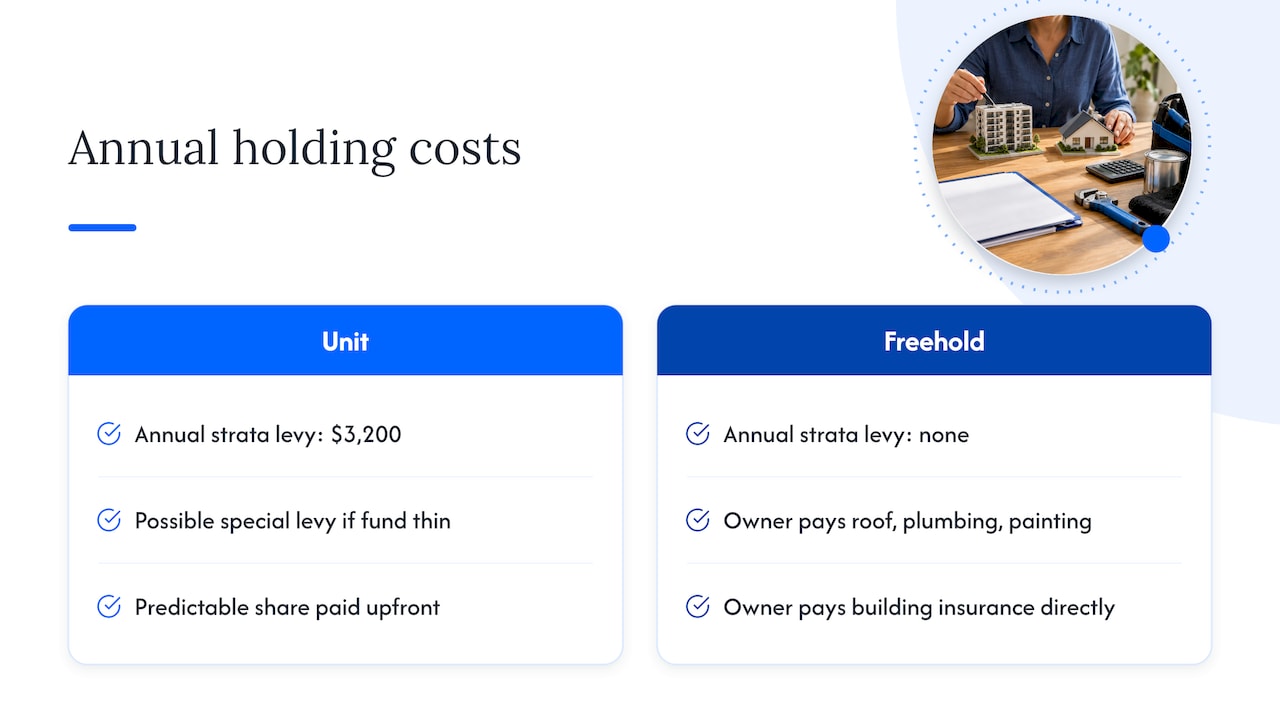
Say a unit has levies of $3,200 a year and a similar freehold house in the same suburb has none. That does not make the house cheaper to hold. The house owner pays for roof, plumbing, external painting and building insurance directly, with no one to spread the cost across. The unit owner pays a predictable share up front, but may face a special levy if the sinking fund is thin. The fair comparison is total annual holding cost plus a provision for major works over the same period. Our guide to planning a 10-year capex budget shows how to build that provision for either title.
Rules and restrictions that come with strata
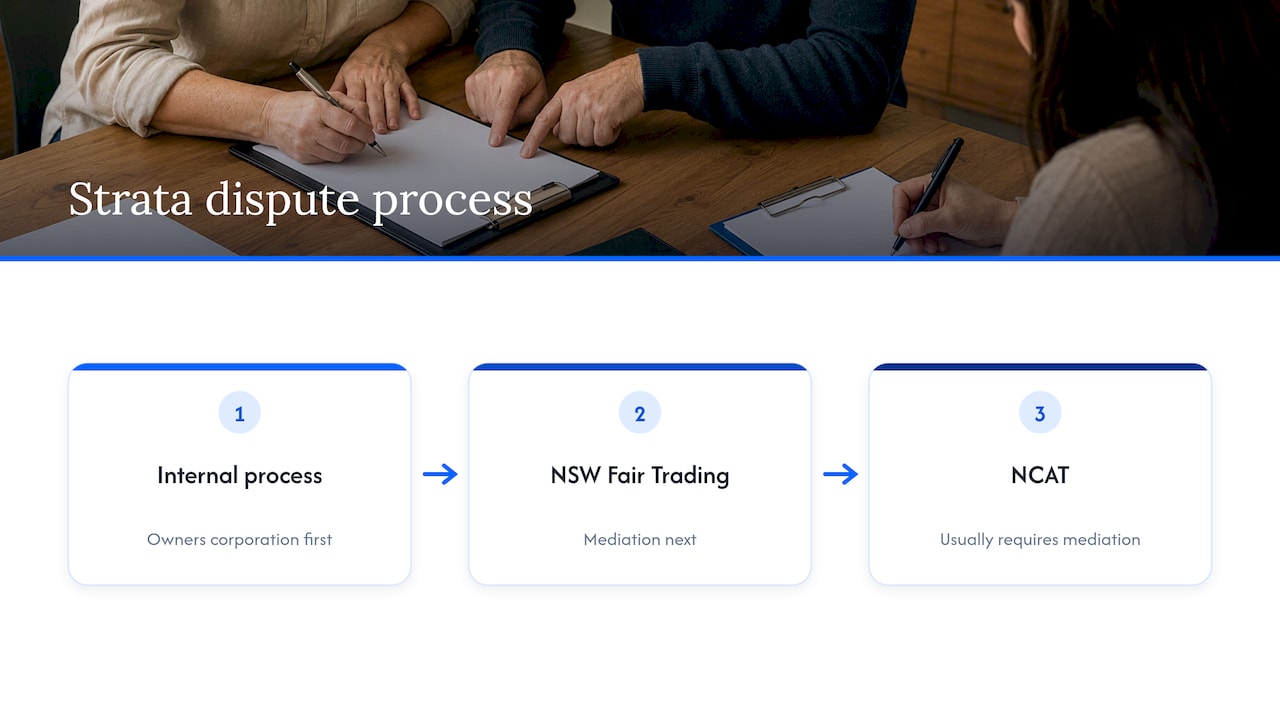
By-laws bind all owners and occupiers, including tenants, and the owners corporation can remove, change or create them. According to the State Library of NSW, by-laws can regulate noise, parking, pets, smoking in common areas and hanging washing. Disputes go through the owners corporation’s internal procedures first, then NSW Fair Trading mediation, then NCAT, which will usually refuse a matter that has not been to mediation.
If you plan to rent the property out, read the by-laws first. They apply to your tenant, and rules on pets or short-term stays will shape who you can rent to.
Recent changes in NSW
NSW has been changing its strata rules in stages. Per NSW Fair Trading’s guide, reforms started on 1 July 2025 and have continued in stages since, with more planned for 2027. They include automatic approval of qualifying minor renovations when the committee gives no written refusal within three months, hardship information with levy notices, standard payment plans and a standard form for 10-year plans. Check that page for what applies when you buy, and check your own state’s regulator if you are outside NSW.
Strata or freehold for a home you live in (PPOR)
If you will live in it, the choice is about lifestyle and control.
- Choose freehold if you want space, a yard, freedom to renovate and no by-laws.
- Choose strata if you want a lower purchase price, less maintenance, and a location close to transport and amenities that freehold would put out of reach.
First-home buyers often find strata is the realistic route into a desirable suburb. If that is you, the question is how long the purchase price advantage lasts once levies are counted. Our comparison of renting versus buying walks through the wealth side of that decision.
Strata or freehold as an investment
The same title carries different trade-offs once a tenant is living there and you are looking at yield, growth and cash flow.
- Holding costs: Moneysmart lists the ongoing costs of an investment property as council and water rates, building insurance, landlord insurance, body corporate fees, land tax, property management fees and repairs. Body corporate fees apply only to strata, and land tax is worth checking for either title in your state.
- Management effort: strata means the owners corporation handles the building. Freehold leaves every repair to you and your property manager.
- Flexibility: a freehold lot gives you options such as adding a secondary dwelling. Our piece on granny flat investment returns shows how to test that.
- Policy: Moneysmart notes that the 2026 Federal Budget, delivered on 12 May 2026, announced changes to negative gearing and capital gains tax. Look at the current detail before you model after-tax returns, and talk to a registered tax agent.
Whichever title you pick, the right test is your own after-cost return over a realistic horizon. If you are choosing between property and other assets, stocks versus property covers that angle.
PPOR versus investment property: why purpose comes first
A PPOR is the home you live in. An investment property is one you rent out. The distinction changes how lenders price the loan and how the ATO treats the property, so decide the purpose before you compare titles. We explain the lending side in owner-occupier versus investor loans.
On tax, the ATO (updated 24 March 2026) says you must keep rental property records from purchase until five years after sale. Borrowing expenses such as loan establishment costs, title search fees and lenders mortgage insurance are deductible over five years or the loan term. Stamp duty, the amount borrowed and purchase legal fees cannot be claimed, but may be part of your CGT cost base.
Some buyers rent where they want to live and buy elsewhere, a strategy called rentvesting. If you are weighing that, read rentvesting risks in Australia before you pick a title type.
Checklist before you buy
NSW Fair Trading advises strata buyers to take these steps, and the same logic applies in other states under their own rules:
- Read the by-laws to see if they fit how you will live, or how your tenant will.
- Get a strata report and a building inspection report. The strata report shows levies, fund balances, planned works and disputes.
- Check what you own and what you share, including the unit entitlement on the strata plan, which must be included in the contract of sale.
- Look at levies and the capital works plan for signs of future increases.
- Consider the developer, builder and strata manager’s reputation, plus parking, public transport and local amenities.
- For freehold, check zoning, easements, flood and fire exposure and the condition of everything you will have to maintain yourself.
- For an investment, confirm the tax position with a registered tax agent, as the ATO recommends.
A lawyer or conveyancer should review the contract and strata documents before you sign.
Putting both options through the numbers
The hardest part of this decision is comparing a cheaper unit with levies against a pricier house with no levies, over years, with your own income and loan. WealthStacker is built for this. It offers 15-year investment modelling for comparing rentvesting and buying scenarios, borrowing power estimations, interactive goal and net worth planners and free automated quarterly property valuations. It also includes market research tools for Australian suburbs and hazard and risk overlays, which help when you compare a flood-exposed house with a unit in a different area.
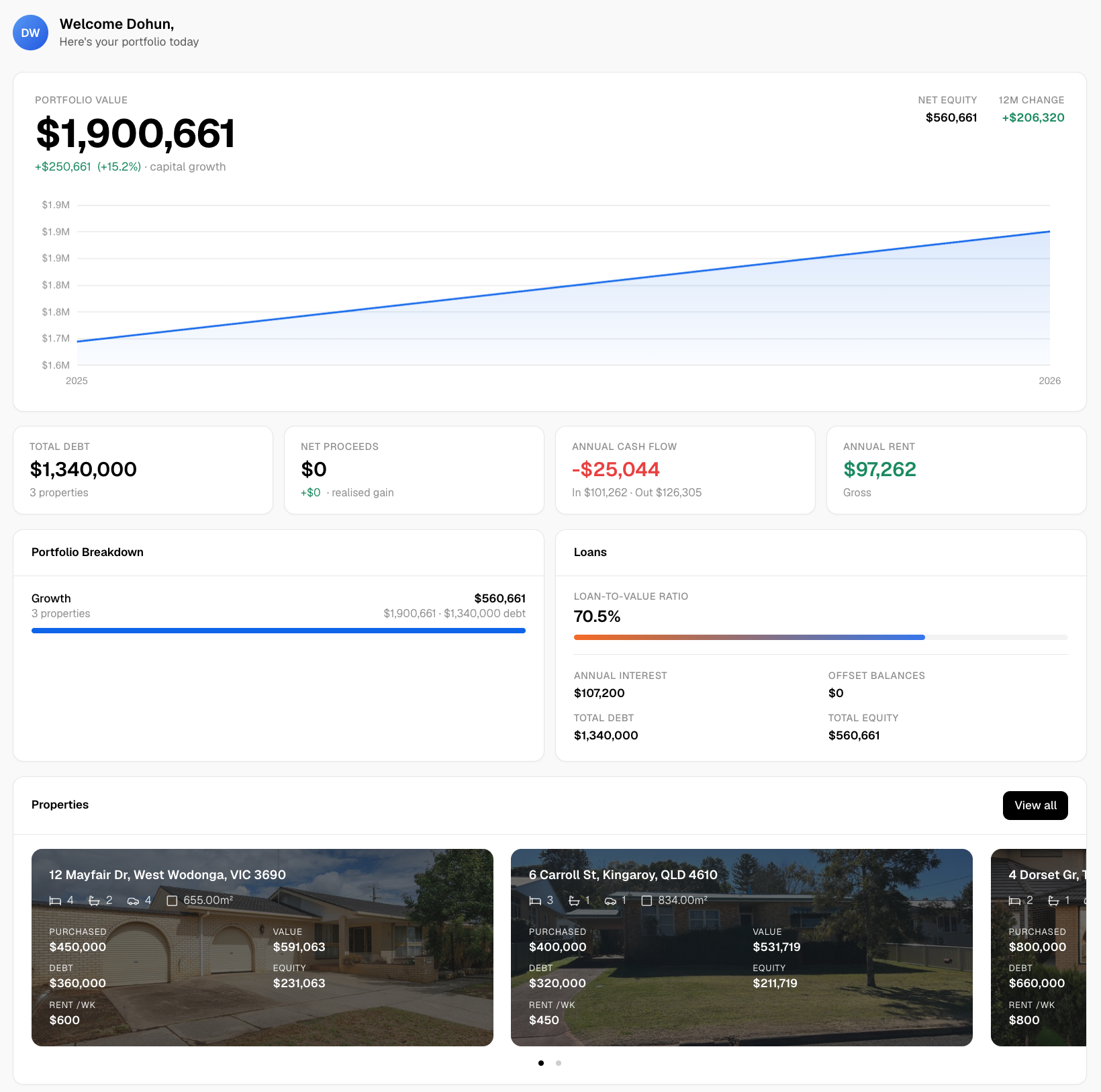
You can see the toolkit at wealthstacker.com.au or join the waitlist to start modelling your own strata and freehold scenarios.
FAQ
Is strata the same as body corporate?
In practice, yes. Strata and body corporate describe the same shared-ownership system, and the term used depends on the state. Queensland uses body corporate, while NSW uses owners corporation. Each state has its own legislation, so check the rules where the property sits.
Do strata owners own the land?
You own your lot, and you own common property jointly with the other owners in proportion to unit entitlement. In Victoria, common property is owned collectively by lot owners as tenants-in-common. You do not own a separate block of land the way a freehold owner does.
Can I renovate a strata unit?
Often yes, but approval may be needed. In NSW, minor and major renovations require owners corporation approval, and recent reforms mean qualifying minor renovations are approved automatically if the committee does not refuse in writing within three months. Check your scheme’s by-laws first.
Is a PPOR the same as an investment property?
No. A PPOR is your main home, while an investment property is one you rent out. Lenders and the ATO treat them differently, including loan terms and deductible expenses, so settle the purpose before you apply for finance.
Which is better for a first-time buyer?
It depends on budget, location and how much control you want. Strata often has a lower entry price, while freehold gives more control. Compare the full yearly holding cost and the 10-year capital works outlook for both before deciding.
Sources
- Strata in WA, Landgate
- Property rights and neighbours, State Library of NSW
- Strata title, The Law Society of NSW
- Buying a strata property, NSW Government
- Owning a unit, ACT Government
- Queensland Community Living: A Body Corporate Guide
- Owners corporations definitions, Consumer Affairs Victoria
- Strata Schemes Management Act 2015 No 50, NSW legislation
- Guide to strata law changes, NSW Government
- Buying an investment property, Moneysmart
- What to consider before buying a rental property, ATO